
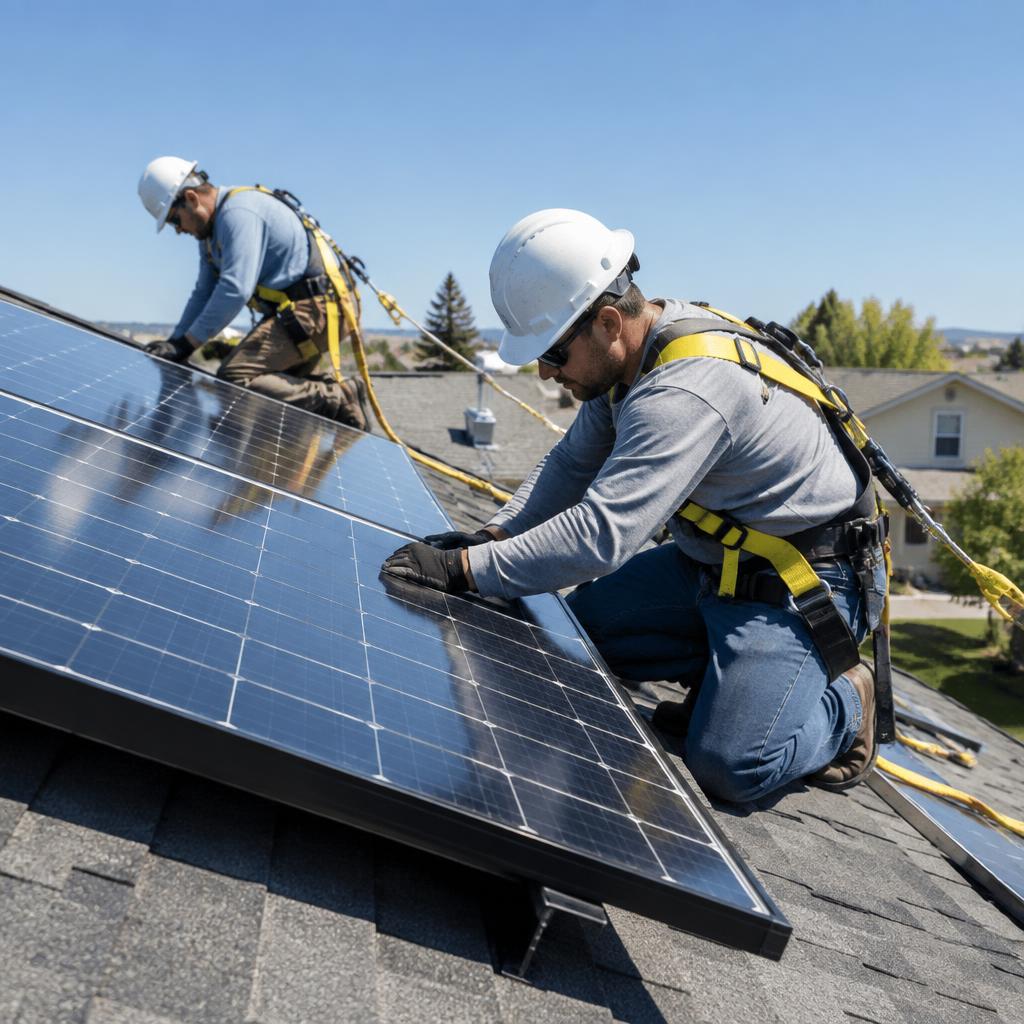
Rooftop Solar Systems
A residential system is sized from your annual electricity usage, roof space, and sun exposure. South- and west-facing roof planes with minimal shading produce the most. A good installer models your expected production and shows how it offsets your current utility bill before you commit.
Battery Storage
Batteries store daytime solar production for evening use and provide backup power during outages. They add meaningful cost but are increasingly paired with new systems, especially in areas with time-of-use rates or unreliable grids.
Incentives and Financing
The federal residential clean energy tax credit can offset a significant share of system cost, and many states and utilities add their own incentives. Purchase, loan, lease, and PPA structures each have different long-term economics — compare the total cost of ownership, not just the monthly payment.
How Solar Estimates Work
Estimates are based on system size in kilowatts, equipment tier, roof condition and complexity, electrical panel upgrades, and permitting. Get quotes that show cost per watt, expected annual production, and warranty terms so you can compare installers fairly.