
Home Remodeling Outlook for 2027: What Harvard’s Latest Forecast Means for Homeowners
An October 2026 forecast points to a relatively flat U.S. remodeling market. Here is what the news does—and does not—mean for your next repair or renovation.
9 min read · Home Services Pro USA
Quick answer
Harvard’s Joint Center for Housing Studies said on October 22, 2026 that U.S. home improvement and repair spending is expected to remain relatively flat through late 2027, with year-over-year growth reaching 1.5% by the third quarter and annual spending hovering around $525 billion. This is a national spending forecast—not a prediction that your contractor’s prices will fall. Homeowners should prioritize necessary repairs and compare current, local estimates for discretionary renovations.
Key Takeaways
- The October 22, 2026 forecast projects modest national remodeling spending growth through the third quarter of 2027.
- A flatter spending market does not establish that labor or material prices will fall in your area.
- The indicator covers improvements and repairs to owner-occupied homes, not every part of the construction industry.
- Treat safety issues and active damage separately from optional upgrades.
- Compare written estimates with the same scope, materials, permits, and payment milestones.
The Latest Home Remodeling News: A Slower Growth Forecast
Published November 22, 2026. The latest national outlook offers a useful reality check for homeowners planning a kitchen renovation, roof replacement, or other major project. In its October 22 release, Harvard’s Joint Center for Housing Studies projected that annual spending on home improvements and repairs would remain relatively flat through late 2027. Its Leading Indicator of Remodeling Activity, known as LIRA, puts year-over-year spending growth at 1.5 percent by the third quarter of 2027. Read the original announcement: 1.
The center expects annual spending to hover around $525 billion through that quarter. That is still a substantial market, even if growth is modest. A slowdown in growth is not the same thing as homeowners stopping repairs, contractors disappearing, or renovation becoming inexpensive. The distinction matters when you are deciding whether to begin a project, revise its scope, or wait for another season.
For Home Services Pro USA readers, the practical question is not simply whether the industry is growing. It is whether your home needs work now, what that work should include, and how to evaluate a local professional’s estimate. This article separates the reported forecast from our homeowner planning recommendations so you can use the news without mistaking it for a promise about your own project.
Why the Forecast Points to Relatively Flat Spending
The October release identifies flat-to-negative retail spending on building products and stagnant remodeling permits as signals of sluggish renovation activity. It also notes declining housing starts and persistent weakness in the broader housing market. These are the indicators the researchers describe; they are not proof that every trade, city, or household is experiencing the same conditions.
CNBC’s October 27 reporting describes two competing influences: some renovation work accompanies a move, while other homeowners improve the home they intend to remain in. That helps explain why a weak housing market does not automatically produce a simple answer about remodeling demand. The report is useful context, rather than a forecast for your address: 4.
A homeowner who needs a reliable furnace faces a different decision from someone choosing a new kitchen layout. Both may appear within overall improvement spending, but urgency, financing, project complexity, and the consequences of waiting are very different. Your planning should begin with those household factors, not with an assumption that a national headline tells you when to sign a contract.
What the 2027 Remodeling Forecast Measures—and What It Does Not
LIRA provides a short-term national outlook for improvement and repair spending on owner-occupied homes. The center describes it as a four-quarter moving rate of change, benchmarked to historical homeowner spending that includes professionally installed and do-it-yourself work. It is designed to help identify turning points in the industry, not to quote the cost of an individual renovation. See the methodology and FAQs: 2.
Use that boundary when reading the forecast. It cannot tell you what a specific roofer will charge, whether a particular remodeler has an opening next month, or how much your municipality will require for a permit. Nor should its headline be treated as a price index. Spending reflects the combination of work undertaken and money spent; it is not interchangeable with the price of a fixed project.
| What the news tells you | What still needs local verification |
|---|---|
| National spending growth is projected to be modest | The current price of your defined project |
| The outlook extends through Q3 2027 | Your contractor’s start date and material availability |
| Owner-occupied improvement and repair work is covered | Conditions for your trade and neighborhood |
| The figures are forecasts | A written estimate, inspection, and contract terms |
Will Home Renovation Prices Fall in 2027?
The available forecast does not establish that renovation prices will fall. It projects aggregate spending growth, not a guaranteed discount on kitchens, bathrooms, roofing, or HVAC. A contractor’s bid still depends on the actual scope, chosen materials, site access, labor requirements, and problems discovered during inspection. Waiting solely because you expect a national slowdown to produce a cheaper quote is therefore a speculative decision.
You can test your own market without making that bet. Prepare one written description of the work and request comparable estimates. Ask each professional how long the quote remains valid, which materials are allowances, and whether delivery costs or possible repairs are excluded. If the prices differ, investigate those assumptions before treating the lowest total as a bargain. Our guide to comparing home improvement estimates walks through that process.
If a contractor offers a quieter-season start date, ask for the terms in writing. Availability may be useful even without a lower price. A clear schedule, realistic delivery dates, and a well-defined scope can matter more than a small advertised discount that disappears once additional work is identified.
Which Home Repairs Should You Prioritize Now?
Our recommendation is to separate work that protects the home from work that mainly changes its appearance. Active water entry, a failed essential system, and a suspected safety hazard deserve professional evaluation rather than a wait-and-see approach based on market news. If there is an immediate danger, use the appropriate emergency service or utility response rather than a routine quote request.
For a roof leak, ask a roofing professional to identify the source and explain whether a targeted repair is appropriate. For recurring plumbing leaks, discuss the cause and the condition of nearby materials with a plumbing contractor. A cosmetic stain is not enough information to decide how extensive the underlying repair must be. An assessment should precede finish work that could conceal the problem.
Optional work can be planned more deliberately. New cabinet finishes, a revised bathroom layout, or a decorative exterior upgrade may allow time for design choices and estimate comparisons. A repair-first plan does not mean abandoning a larger renovation. It means allocating attention and budget to the home’s condition before committing to features that do not resolve the underlying issue.
How U.S. Homeowners Can Adapt the News to Their Local Market
National reporting needs a local reality check. Instead of assuming that the forecast applies equally in every region, ask how your property’s location affects the proposed work. Relevant questions include weather constraints, access for equipment, inspection requirements, and the availability of the material you chose. These are questions for the professionals evaluating your site, not conclusions supplied by a national spending indicator.
For example, a homeowner planning exterior work in a freeze-prone area can ask the contractor what installation conditions are required and how weather delays are handled. Someone evaluating a cooling system can ask how equipment selection relates to the home’s actual needs. In a densely built neighborhood, discuss parking, delivery access, debris removal, and any association approvals before comparing a bid with one from a less constrained property.
Use our service-area pages to explore relevant locations, then verify licensing and permit requirements with the authority that covers your address. A state-level overview is not a substitute for municipal requirements. Professionals’ availability also varies by market and project; a referral request should not be interpreted as a guarantee that a particular company or immediate appointment is available.
A Practical Checklist for Comparing Contractor Quotes
Before reaching out, document the current condition with clear photos, note dimensions if you can measure safely, and write down what result you want. For a remodel, distinguish essential changes from preferences. Keeping an existing layout and moving walls or utilities are different scopes; an estimate should make those choices visible instead of hiding them in a single total.
Give each bidder the same description and ask for written exclusions. Request clarity on demolition, disposal, preparation, material specifications, permit handling, inspections, cleanup, and completion milestones. Ask how unexpected conditions are documented and approved. For equipment, obtain the proposed model and the explanation for selecting it, rather than comparing bids only by a brand name.
Verify the professional’s applicable license and insurance independently. Discuss warranties, who manages the work, and who to contact afterward. Do not let a news headline or a limited-time offer replace these checks. Our questions to ask before hiring a contractor provides a useful starting point for that conversation.
- Use the same project description for every estimate.
- Separate fixed prices from allowances and optional work.
- Ask about quote expiration, scheduling, and material lead times.
- Require written approval for scope changes.
- Review payment milestones and warranty terms before signing.
Should You Remodel Now or Wait Until 2027?
There is no universal timing answer in the latest forecast. If waiting leaves active damage unresolved, the decision is fundamentally different from postponing a purely decorative project. If the work is discretionary, use the extra planning time to settle the scope, assess affordability, and understand the inconvenience of construction. Consider whether you can live in the home during the work and how essential rooms will remain usable.
A useful decision sequence is condition, scope, budget, then timing. Start with an assessment of what the home needs. Define the work that addresses that need. Compare current estimates against the amount you can responsibly spend, including how unforeseen work would be handled. Finally, choose a schedule that fits the household and the contractor’s documented availability. That sequence is more dependable than trying to time an industry forecast.
If you are ready to explore options, request a home-project match or review our remodeling services. Home Services Pro USA is a referral platform, not the company performing the construction. You remain responsible for reviewing estimates, verifying credentials, and choosing whether to hire. Requesting information does not obligate you to proceed with a project.
Sources and Editorial Context
This article is based on the Joint Center for Housing Studies’ October 22, 2026 press release and LIRA methodology, with CNBC’s October 27 coverage providing additional housing-market context. Source links appear beside the relevant reporting above. The forecast describes expected national conditions, not confirmed outcomes for 2027.
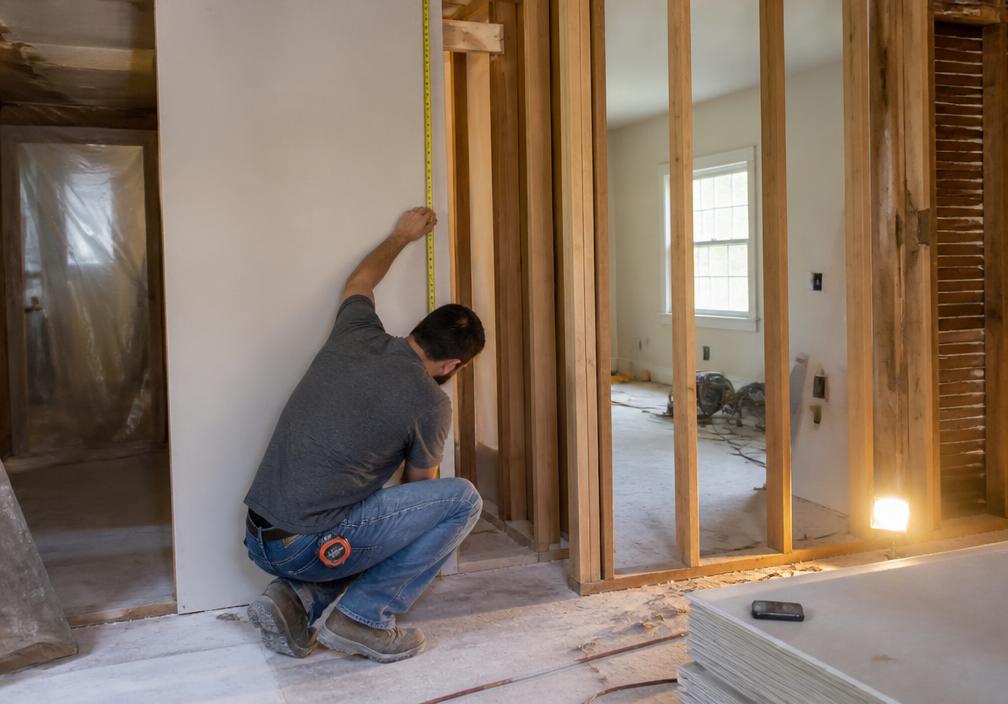
The repair-priority advice, quote checklist, and local planning questions are Home Services Pro USA’s editorial guidance. They are not statements that Harvard endorses this platform. The accompanying photo illustrates interior remodeling and does not depict the researchers or a project mentioned in their report. No guaranteed savings, contractor availability, or local project prices are inferred from the forecast.
Frequently Asked Questions
- What is the latest U.S. home remodeling forecast for 2027?
- The October 22, 2026 Harvard JCHS release expects annual home improvement and repair spending to remain relatively flat through late 2027, with year-over-year growth reaching 1.5% by Q3 2027 and spending hovering around $525 billion.
- Does slower remodeling spending mean cheaper contractor quotes?
- Not necessarily. The forecast measures national spending trends, not prices for a fixed project. Obtain current local estimates with matching scope and materials to understand your own costs.
- Should I delay a necessary home repair because of the forecast?
- Do not use the forecast as a reason to ignore active damage or suspected safety issues. Arrange an appropriate professional assessment; use emergency services or the utility when there is immediate danger.
- Does the LIRA forecast include DIY work?
- The center says its historical homeowner-spending benchmark includes professionally installed and do-it-yourself improvement and repair projects for owner-occupied homes.
- How can I use the forecast when planning a renovation?
- Use it as national context, then verify the condition of your home, define the scope, compare written local quotes, and confirm permits, scheduling, and payment terms before choosing a professional.